

How to Fix Windows Update Error 0x800F0840 in Windows 10 and 11 (7 Proven Methods)
2026-03-13How to Create Multiple Tables in the Same Excel Sheet: Step-by-Step Guide with Examples and Formulas
2026-03-14How to Fix Windows Update Error 0x80244018 in Windows 10 and 11
Windows Update Error 0x80244018 typically occurs when your system encounters issues downloading or installing updates due to corrupted files, incorrect service configurations, or interference from third-party software. This error prevents the system from downloading updates, leaving security patches out of reach and your PC vulnerable.
Without fixing it, you risk missing critical security updates and system improvements.
This guide will show you 7 targeted troubleshooting steps to fix Windows Update Error 0x80244018 step by step, from the simplest to the most advanced.
Run the Windows Update Troubleshooter
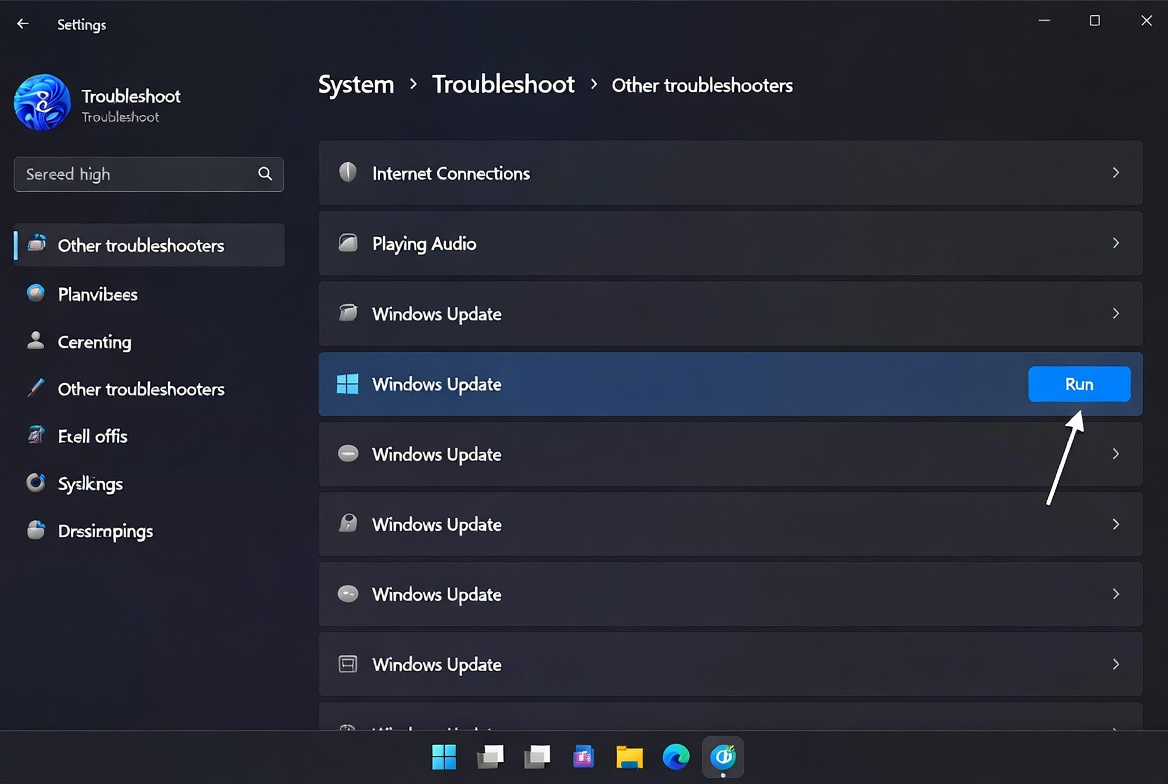
Step 1: Open the Start menu and select Settings. Navigate to System > Troubleshoot > Other troubleshooters. In Windows 11, select Other troubleshooters in the System section; in Windows 10, go to Update & Security > Troubleshoot.
Step 2: Locate Windows Update and click Run.
Step 3: Follow the on-screen instructions and let the troubleshooter complete.
Once finished, restart your computer and check for updates again. If the error persists, continue with the next method.
Repair System Files Using SFC and DISM
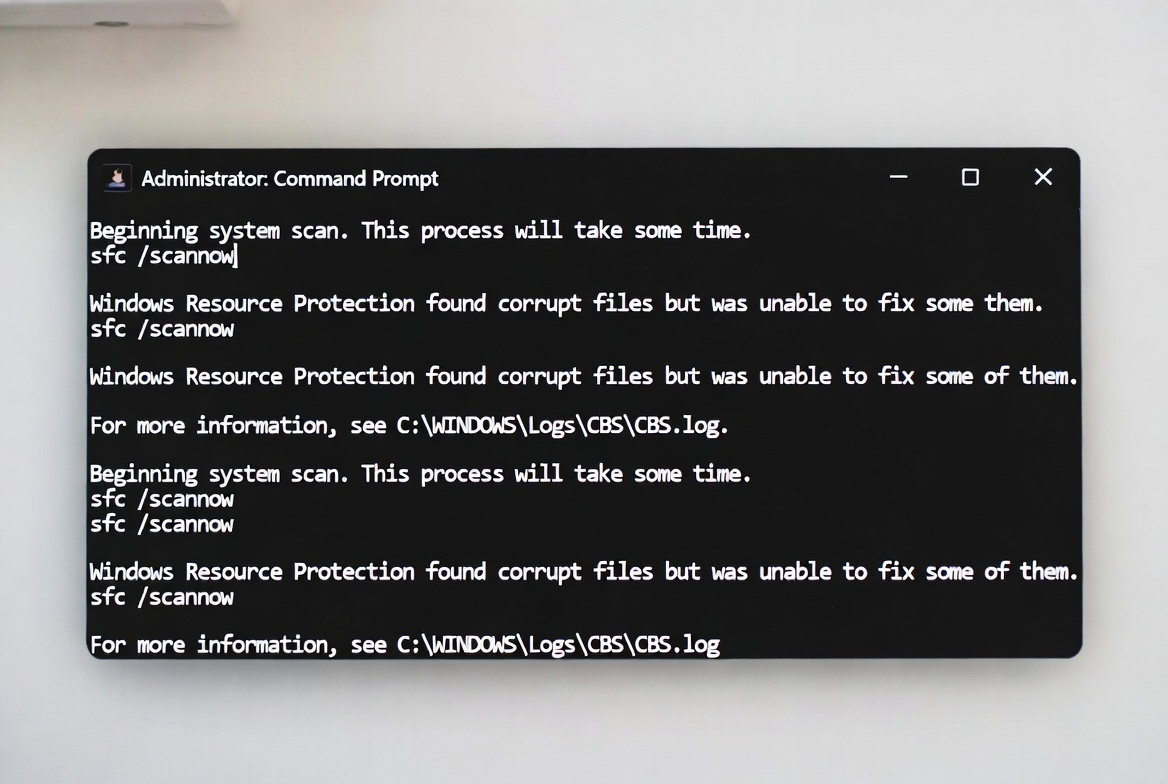
Step 1: Search for cmd in the Start menu, right-click Command Prompt, and select Run as administrator.
Step 2: Type sfc /scannow and press Enter. Wait for the scan to finish.
Step 3: If issues remain, type DISM /Online /Cleanup-Image /RestoreHealth and press Enter.
After completion, restart your computer and try Windows Update again. If the error persists, continue with the next method.
Reset Windows Update Components
Step 1: Open Command Prompt as administrator (same as above).
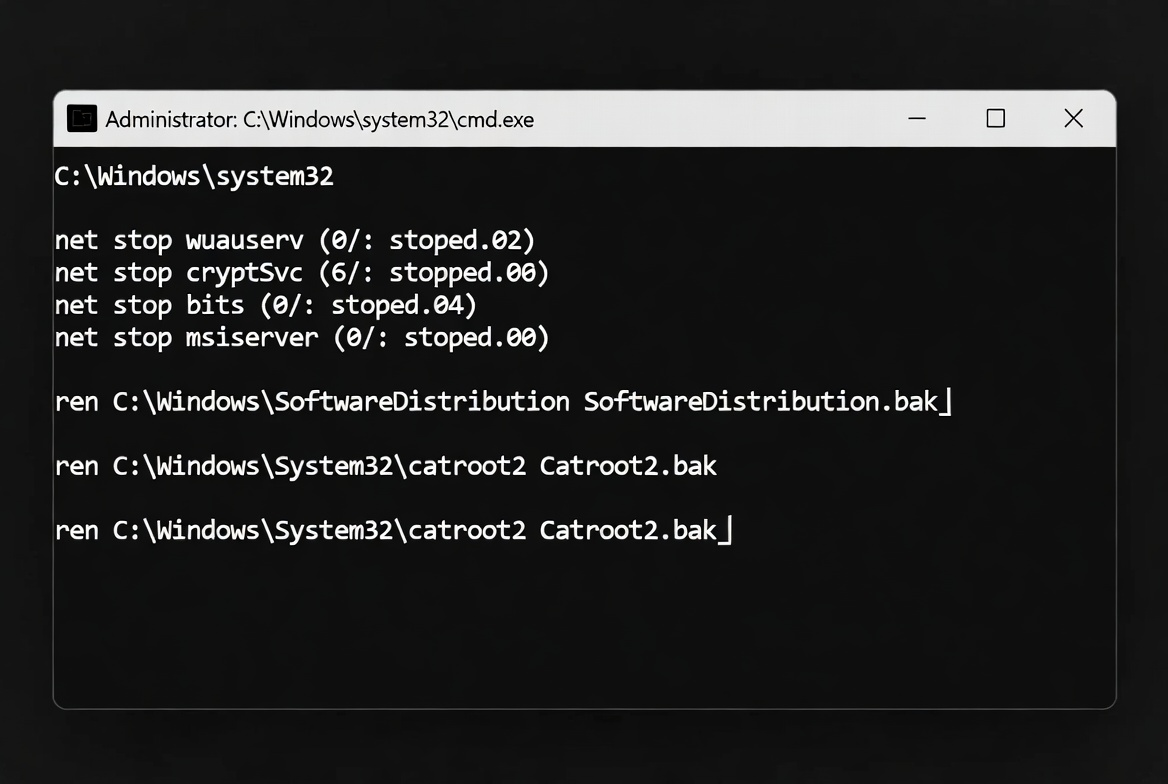
Step 2: Stop the services one by one:
text
net stop wuauserv
net stop cryptSvc
net stop bits
net stop msiserver
Step 3: Rename the folders:
text
ren C:\Windows\SoftwareDistribution SoftwareDistribution.old
ren C:\Windows\System32\catroot2 Catroot2.old
Step 4: Restart the services:
text
net start wuauserv
net start cryptSvc
net start bits
net start msiserver
Step 5: Restart your computer.
Try checking for updates again. If the error persists, continue with the next method.
Check Background Services
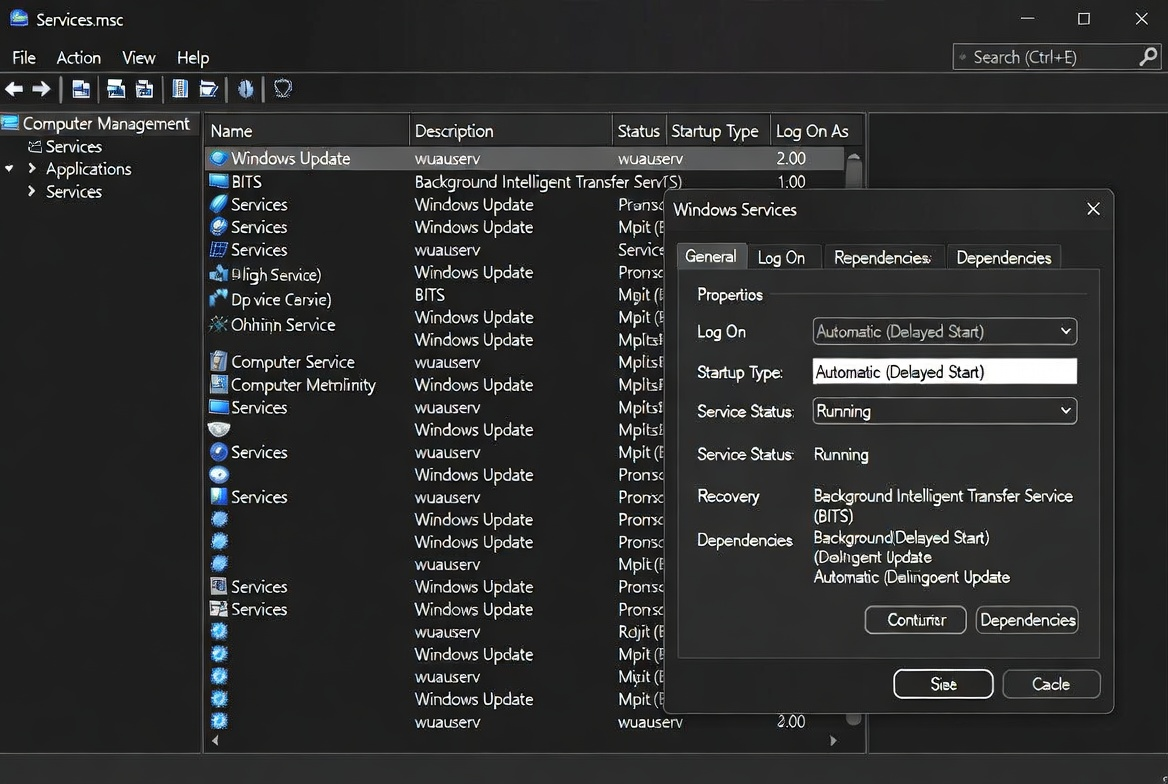
Step 1: Press Win + R, type services.msc, and press Enter.
Step 2: Find these services and double-click each:
- Windows Update (wuauserv)
- Background Intelligent Transfer Service (BITS)
- Cryptographic Services (CryptSvc)
- Windows Installer (msiserver)
Step 3: Set Startup type to Automatic and click Start if stopped. Click OK.
Restart your computer and check for updates. If the error persists, continue with the next method.
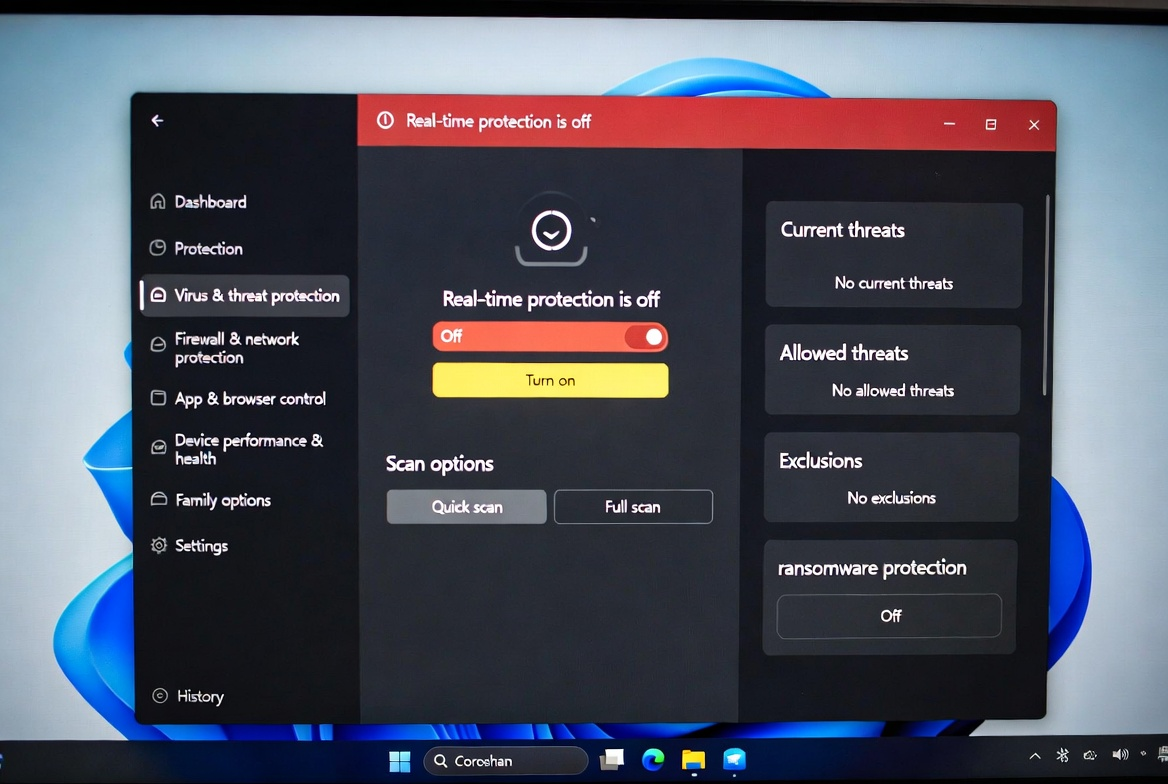
Disable Third-Party Antivirus
Step 1: Open your third-party antivirus program (e.g., Avast, Norton, or McAfee).
Step 2: Temporarily turn off real-time protection or firewall.
Step 3: (Optional) Uninstall the antivirus if the error continues.
Try running Windows Update. Re-enable protection immediately after. If the error persists, continue with the next method.
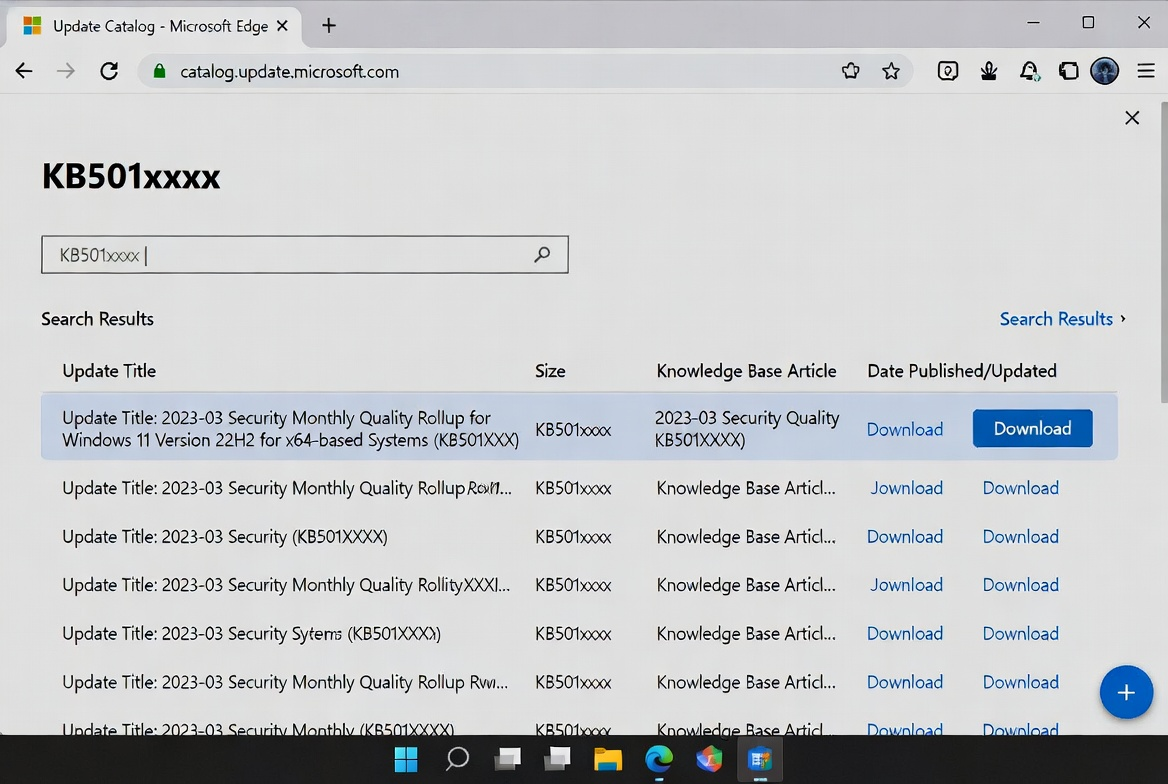
Manually Install the Failed Update
Step 1: Go to Settings > Windows Update > Update history and note the KB number of the failed update.
Step 3: Download the correct .msu file for your Windows version and architecture (32-bit or 64-bit).
Step 2: Visit the Microsoft Update Catalog. Search for the KB number.
Step 4: Double-click the downloaded file to install it.
Restart your computer. If the error persists, continue with the next method.
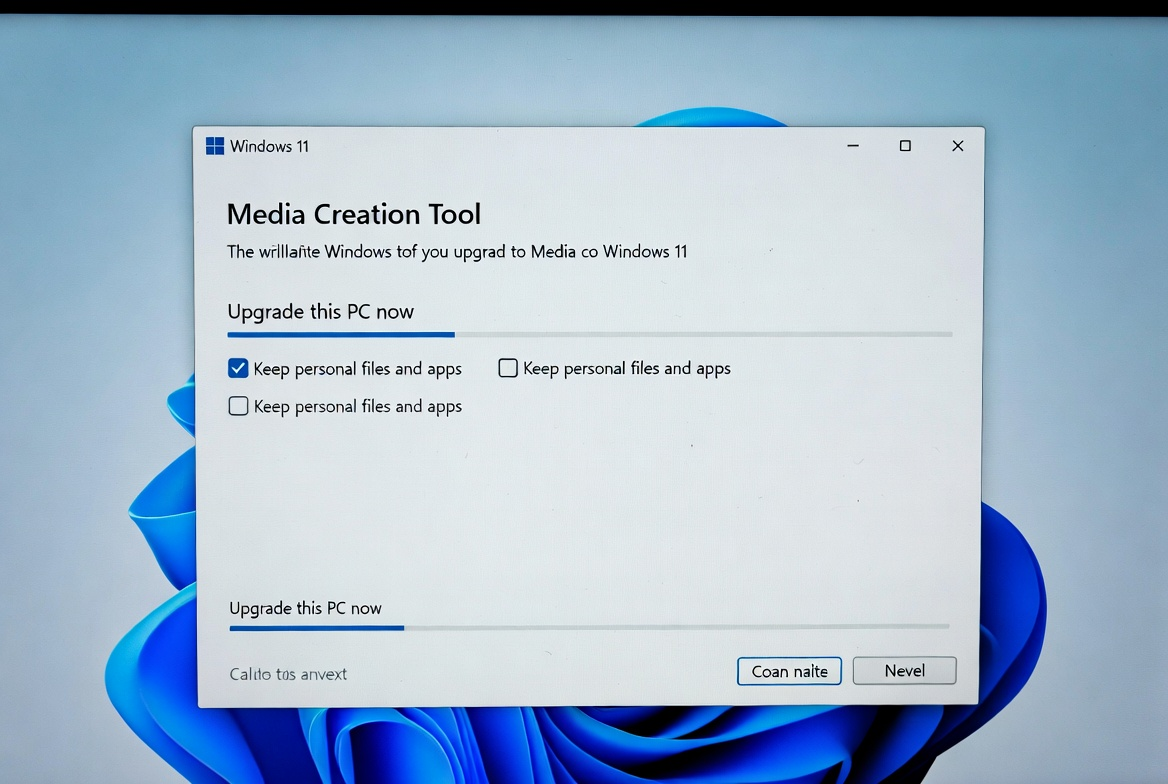
In-Place Upgrade (Last Resort)
Step 1: Download the Windows Media Creation Tool from Microsoft.
Step 2: Run the tool and select Upgrade this PC now.
Step 3: Choose to keep personal files and apps and follow the prompts.
The process may take 1–2 hours. Your PC will restart with a fresh Windows installation while keeping your data.
Following these steps will typically fix Windows Update Error 0x80244018 and restore your system’s ability to download and install updates.
If the problem still exists, seek further help from Microsoft Support.
